
Ask an Expert with Rhonda Reardon - Advanced Clinical Reasoning in Orthopaedic Physiotherapy

Ask an Expert with Rhonda Reardon - Advanced Clinical Reasoning in Orthopaedic Physiotherapy
This course includes
Overview
This course features the third instalment of Ask an Expert, an advanced orthopaedic education session presented by the Orthopaedic Division of the Canadian Physiotherapy Association (CPA). Designed around real-world clinical cases, this session brings together experienced clinicians and expert faculty to explore complex musculoskeletal presentations through collaborative discussion and evidence-informed clinical reasoning.
Led by Rhonda Reardon, an expert in musculoskeletal physiotherapy, the course examines challenging shoulder, knee, and tendinopathy cases submitted by practicing clinicians. Through guided analysis and audience-driven questions, participants gain insight into differential diagnosis, biomechanical assessment, and treatment planning for patients with persistent or multifactorial orthopaedic conditions.
This case-based format emphasizes how to think clinically - rather than simply what to treat - making it especially valuable for clinicians managing complex or non-resolving presentations.
Learning Objectives
By the end of this course, participants will be able to:
-
Apply advanced clinical reasoning to complex orthopaedic cases involving the shoulder, knee, and tendons
-
Differentiate isolated tissue pathology from broader biomechanical and joint-related dysfunction
-
Integrate gait analysis, fatigue testing, and functional assessment into orthopaedic evaluation
-
Develop individualized, evidence-informed exercise progressions for tendinopathy management
-
Critically evaluate the role of adjunct modalities, including shockwave therapy, within a multimodal treatment plan
-
Enhance patient education strategies to support adherence and long-term outcomes
Audience
This course is intended for regulated healthcare professionals, including:
-
Physiotherapists / Physical Therapists
-
Orthopaedic and musculoskeletal clinicians
-
Rehabilitation professionals treating persistent or complex MSK conditions
-
Clinicians seeking to refine clinical reasoning and case analysis skills
It is most appropriate for clinicians with foundational orthopaedic knowledge who want to deepen their diagnostic and decision-making capabilities.
Why This Course Matters
Orthopaedic presentations are rarely straightforward - especially in patients with chronic symptoms, surgical history, or complex loading demands. This course highlights the importance of moving beyond isolated tissue diagnoses and instead considering joint mechanics, movement patterns, fatigue, and patient context.
Through expert-led discussion of real patient cases, participants learn to:
-
Avoid symptom-focused treatment approaches
-
Recognize when pathology is part of a larger system dysfunction
-
Improve outcomes through holistic assessment and progressive loading strategies
The Ask an Expert format also models collaborative clinical thinking, reflecting how experienced clinicians problem-solve in real practice.
About the Speaker
Rhonda Reardon, PT BSc (PT), BSc (Phys), MSc (RS) Dip. Manip, FCAMPT, ACCDN, NSCP, CPA (she/her)
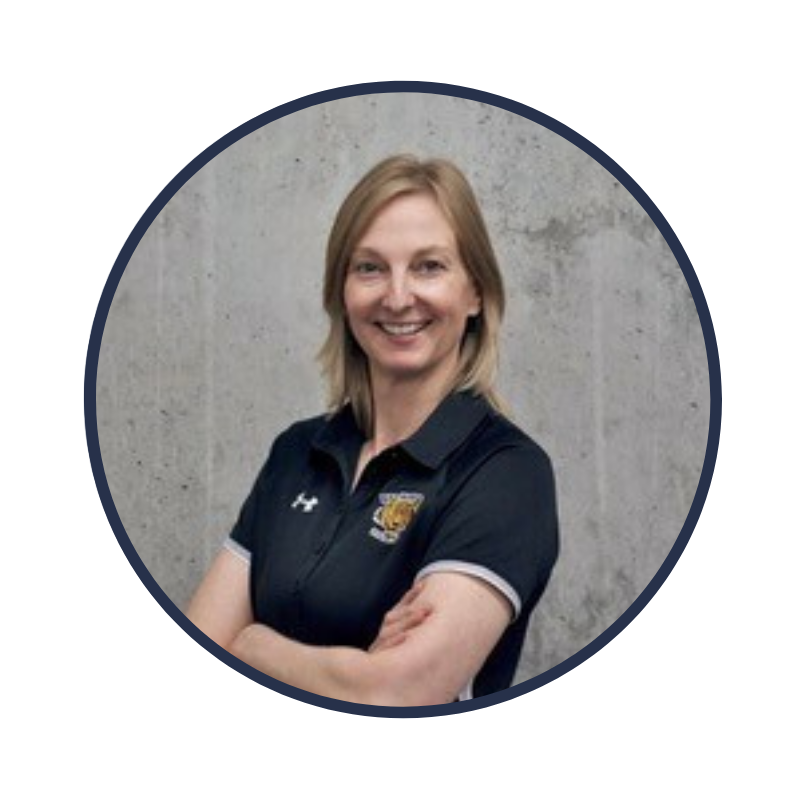
Rhonda Reardon graduated from the University of Saskatchewan in 1987 and 1990 with a BSc in Human Physiology and Physiotherapy respectively.
Doing a deep dive into research, she completed a Masters of Rehabilitation Science at McMaster University in 2017 with Anita Gross as her supervisor where she contributed to a systematic review looking at mobilization and manipulation in adults with mechanical neck pain against a control.
She completed the Diploma of Advanced Manual and Manipulative Therapy with the NOD in 1995 and currently serves as an Examiner and Senior Instructor with the AIM Program.
Professionally, from 1995 to 2017 she was a part time Instructor/Lab Demonstrator with the School of Physiotherapy at Dalhousie University. She has always been involved in the physiotherapy profession serving on Provincial and National executives of the NOD as well as the Canadian Academy of Manual and Musculoskeletal Physiotherapy. She also is past Co-chair of the NOD Symposium in 1999.
As a Fellow of CAMPT, Rhonda currently holds the position of IFOMPT Member Delegate on the executive and is Co-Chair of the IFOMPT Reach the Summit Conference in Vancouver June 1-3, 2028 alongside Mike Stewart.
Rhonda has always served as a mentor and was recognized in 2016 as the recipient of the CPA National Mentorship Award.
She opened the Dalhousie Physiotherapy Clinic in 2017 and currently holds the position of Manager and Lead Physiotherapist. Maintaining a busy caseload of athletes and community members, Rhonda also serves as a consultant with complex patient presentations. Evidence based practice and person centered care in a biopsychosocial model are key elements of her practice.
The instructors

The Orthopaedic Division of the Canadian Physiotherapy Association helps our members improve their skills and service delivery through education, resources and networking.
With a reputation built on excellent instructors and a rigorous examination process, the Division offers tailored online e-learning, webinars, workshops, courses and practice resources for members at a reasonable cost and time commitment. Members learn from other practicing physiotherapists and stay current with a regularly updated curriculum and program delivery based on providing quality and modern treatment.

Material included in this course
-
Course Materials
-
Summary and Key Insights
-
Question #1
-
Question #2
-
Rapid Fire Question Round #1
-
Question #3
-
Question #4
-
Rapid Fire Question Round #2
-
Feedback
I'm a member of the Canadian Physiotherapy Association (CPA). What are the discounts available to CPA Members on Embodia?
As part of our partnership with the CPA, we offer its members discounts on courses and Embodia Memberships. Learn more about the partnership on this page.
In order for the discount to be applied, you first need to authenticate your CPA membership. This is an important step as this is how Embodia 'knows' that you are a CPA member.
To authenticate as a CPA member, please visit this page on the CPA portal.
Please note that your email address on your CPA account must match your email address on Embodia. If needed, you can update your information on Embodia as outlined in this guide.
Is a certificate of completion included with this course?
Once you have completed the course, a certificate of completion (including learning hours and course information) will be generated. You can download this certificate at any time. To learn more about course certificates on Embodia please visit this guide.
This can be used for continuing education credits, depending on your professional college or association. If this course has been approved for CEUs in specific jurisdictions, it will be noted on the course page and CEU information may be added to your course certificate. Please read this guide for more information.