
Treating Sexual Dysfunction After Prostatectomy
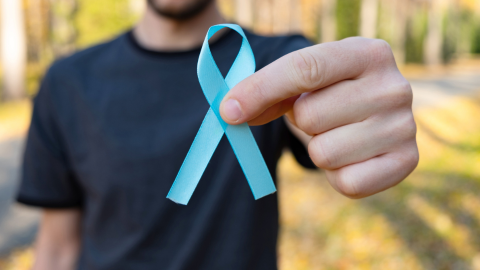
Treating Sexual Dysfunction After Prostatectomy
This course includes
The instructors
Overview
Prostate cancer is one of the most common cancers affecting men, and radical prostatectomy remains a frequently chosen treatment, but surgery is rarely the end of the story. In the months and years that follow, many men experience significant changes to urinary control and sexual function, along with the emotional weight of navigating a shifted sense of identity and intimacy. As a pelvic health practitioner, you're often the clinician best positioned to address these changes, yet the rehabilitation literature specific to this population remains under-utilized in clinical practice.
This on-demand course with Dr. Susie Gronski offers a thorough clinical grounding in what actually happens, anatomically, physiologically, and psychosocially, after a radical prostatectomy. You'll move well beyond the basics, exploring why recovery timelines vary so widely, how the nervous system drives penile rehabilitation, and what practical tools (from vacuum erection devices to vibration therapy) can be integrated into your treatment plans. Whether you're new to men's pelvic health or deepening an existing clinical focus, this course connects the anatomical dots in ways that directly improve how you explain, treat, and support this often-underserved population.
Learning Objectives
By the end of this on-demand course, participants will be able to:
- Describe the anatomical and physiological changes that occur following a radical prostatectomy, including the impact on the tunica albuginea, corpora cavernosa, and neurovascular bundles.
- Identify common pelvic and sexual health concerns in prostate cancer survivors, including urinary incontinence, erectile dysfunction, and dry orgasm, and explain their underlying mechanisms to patients.
- Explain why surgical approach alone (open, laparoscopic, or robotic) does not reliably predict functional outcomes, and identify the patient-specific factors that are more clinically predictive of recovery.
- List at least three evidence-informed biopsychosocial strategies to support prostate cancer survivors in reconnecting with sexual function, intimacy, and emotional well-being.
- Describe the role of penile rehabilitation tools, including vacuum erection devices, penile clamps, vibration therapy, and phosphodiesterase inhibitors, and outline how to guide patients in their appropriate use.
- Recognize the psychosocial dimensions of post-prostatectomy recovery, including grief, anxiety, depression, and relational dynamics, and identify when and how to integrate sexual counseling into your care approach.
Audience
This on-demand course is designed for pelvic health physiotherapists, physical therapists, and occupational therapists who work with or are expanding into men's health. It is also relevant for sexual health educators, mental health providers working with oncology populations, and members of multidisciplinary cancer rehabilitation teams. A foundational understanding of pelvic floor anatomy is helpful but not required. Dr. Gronski builds from first principles throughout the course. Practitioners at any stage of their men's health journey will find both clinical depth and immediately applicable tools here.
Why This Course Matters
Men's pelvic health is one of the most underserved areas in rehabilitation, and post-prostatectomy care is a clear example of the gap between what patients need and what they typically receive. Despite affecting roughly 1 in 8 men, prostate cancer treatment is rarely followed by coordinated rehabilitative support for urinary or sexual function, and many practitioners feel underprepared to address these concerns confidently in the clinic.
This course challenges common assumptions head-on: contrary to popular belief, there is no conclusive evidence that robotic prostatectomy produces superior functional outcomes compared to open surgery. What actually matters, nerve-sparing extent, patient age, co-morbidities, and surgeon experience, is rarely discussed with patients before or after surgery, leaving them without realistic expectations or a clear recovery path. Neurovascular healing can take up to two years, and urinary continence may take up to a year to stabilize, yet most patients receive little guidance on what to do in the interim.
Beyond the physical, the emotional toll is significant and frequently overlooked. Concepts like dry orgasm, orgasm without ejaculation, are poorly understood by patients and often inadequately explained by care teams, contributing to unnecessary distress. Anxiety, depression, grief, and relationship strain all influence physiological recovery in ways that purely exercise-focused rehab cannot address. Dr. Gronski integrates psychosocial care as a clinical necessity, not an add-on, making this course an important step toward truly comprehensive men's pelvic health practice.
Related Learning
You can find additional resources on this topic below:
The instructors

PT, DPT
Material included in this course
-
Course Materials
-
Welcome and Slides
-
What is a Radical Prostatectomy?
-
Factors Predicting Erectile Recovery
-
Pelvic Floor Anatomy
-
Common Concerns Post Radical Prostatectomy
-
Psychosocial Impact
-
Pelvic Health Interventions
-
Conclusion and Q&A
-
Feedback
-
Knowledge Check
-
Summary and Key Insights
-
Course evaluation (required for US CEUs)
Patient education included in this course
-
Psychosocial Adjustment After Prostate Surgery
-
Dry Orgasm After Prostate Surgery: What It Is and What to Expect
-
Erectile Dysfunction After Prostate Surgery
-
Urinary Incontinence After Prostate Surgery
Has this course been approved for CEUs (Continuing Education Units) for Physical Therapists and Physical Therapy Assistants in the US?
Yes, Embodia is a rule-approved CE provider of the PT Board of Florida (# 50-54793), a licensed CE sponsor of physical therapy continuing education by the Illinois Department of Financial & Professional Regulation (IDFPR #216.000415), an approved provider of continuing education by APTA Massachusetts, an approved provider of the Oklahoma Board of Medical Licensure & Supervision - Physical Therapy (#50-54793), and an approved provider of continuing education for Physical Therapists and Physical Therapist Assistants in California (CA) by CEUapproval.com, a recognized approval agency of the Physical Therapy Board of CA.
Courses approved by other state boards in the following jurisdictions are likely accepted for licensure credit based on the state regulation:
AL | AK | AR | CO | CT | DE | GA | HI | ID | IL | IN | IA | KS | KY | ME | MA | MI | MO | MT | NE | NH | NC | ND | OK | OR | PA | RI | SC | SD | UT | VT | VA | VI | WA | WI | WY
Please reach out to your state licensing board to confirm. If you have a specific question about CEU approval for this course in your state, please direct your inquiry to info@ceuapproval.com
The following states are not pre-approved: AZ, DC, LA, MD, MN, MS, NM, NV, NY, NJ, OH, TX, WV
Participants licensed in states not pre-approved may file for individual approval using the instructions on this document.
US PTs and PTAs: How many CEUs has this course been approved for?
This course has been approved for 1 CEUs (Continuing Education Units) for Physical Therapists and Physical Therapy Assistants in the US. Please see the FAQ 'Has this course been approved for CEUs (Continuing Education Units) for Physical Therapists and Physical Therapy Assistants in the US?' for a detailed list of the approved states. In order for your US jurisdiction information to appear on your course certificate, you must complete your jurisdiction information on your Embodia profile as per this guide.
Is a certificate of completion included with this course?
Once you have completed the course, a certificate of completion (including learning hours and course information) will be generated. You can download this certificate at any time. To learn more about course certificates on Embodia please visit this guide.
This can be used for continuing education credits, depending on your professional college or association. If this course has been approved for CEUs in specific jurisdictions, it will be noted on the course page and CEU information may be added to your course certificate. Please read this guide for more information.
How can I get this course for free?
Embodia Membership gives you access to a wide range of evidence-based courses, clinical tools, and resources all in one place. As a member, this course (and many others) is included at no additional cost, helping you save time and money while staying up-to-date in your practice.
If you’re not yet a member, non-members can still access the course for a one-time fee. Joining Embodia unlocks this course plus hundreds of hours of additional education and clinical resources, making membership the most convenient and cost-effective way to continue learning.
You can learn more about membership options available on the Embodia membership pricing page.
This course has patient education. Can I share it with my patients?
Yes, patient education included in courses or resource packages on Embodia can be shared directly through the Embodia platform. A Tier 2 or 3 Membership is required to share education. These memberships include a range of other features. You can learn about patient education on Embodia here, and about memberships on Embodia here.