
Auricular Approach to Shoulder Pain and Dysfunction
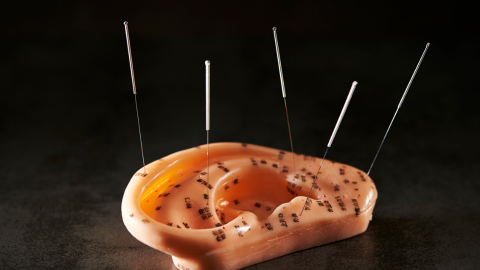
Auricular Approach to Shoulder Pain and Dysfunction
This course includes
The instructors
Overview
Shoulder pain and dysfunction remain among the most common musculoskeletal complaints seen in clinical practice. This Embodia course introduces clinicians to the auricular (ear-based) approach for addressing shoulder symptoms, blending neurophysiologic insights with practical needling techniques.
Drawing from contemporary evidence and clinical experience, this course explores how auricular acupuncture and dry needling can influence pain modulation, neuromuscular control, and functional recovery when integrated into comprehensive shoulder care. Clinicians will gain a structured framework to apply auricular strategies alongside traditional assessment and treatment methods.
Whether you already use needling in practice or are expanding toward integrative pain approaches, this course provides clinically applicable rationale and technique selection, enhancing your toolbox for addressing persistent shoulder presentations.
Learning Objectives
By the end of this course, participants will be able to:
-
Understand the neuroanatomy and clinical rationale for auricular approaches
-
Describe evidence supporting auricular acupuncture and dry needling for shoulder pain and dysfunction
-
Identify auricular points relevant to shoulder symptom patterns
-
Integrate auricular needling techniques within a broader clinical management plan
-
Apply safety principles and contraindication screening for ear-based needling
-
Evaluate outcomes and adjust point selection based on patient presentation
Audience
This course is designed for:
-
Physiotherapists and rehabilitation clinicians
-
Practitioners using or interested in acupuncture and dry needling
-
Clinicians managing persistent or complex shoulder pain
-
Manual therapists seeking advanced neurophysiologic approaches
-
Allied health professionals exploring integrative pain modulation techniques
Clinicians should have a foundational understanding of shoulder assessment and needling principles to gain the most from this material.
Why This Course Matters
Traditional shoulder rehabilitation often focuses on local biomechanics and joint-specific exercises. While these remain essential, pain modulation and central neurophysiologic mechanisms play a crucial role in persistent symptoms. Auricular approaches provide clinicians with a non-segmental pathway to influence nervous system activity and pain perception.
By integrating evidence-based auricular acupuncture and dry needling methods, clinicians can:
-
Expand treatment options for patients with persistent shoulder pain
-
Target broader neurophysiologic systems involved in pain modulation
-
Complement existing exercise, manual therapy, or dry needling strategies
This course emphasizes clinical reasoning over technique alone, helping clinicians understand when and why auricular approaches may benefit specific shoulder presentations.
About the Presenter
Dave Maybee, RMT
Academic Director & Lead Instructor, Canadian Institute of Auricular Medicine

Dave Maybee brings a deep and evolving passion for Auricular Medicine, grounded in the work of medical pioneers such as Paul Nogier, Frank Bahr, Beate Strittmatter, and other leading researchers. He excels at translating complex concepts into engaging learning experiences, using clinical examples, demonstrations, and interactive Q&A to meet diverse student interests while ensuring clear objectives and measurable outcomes.
In his clinical practice, Dave combines auricular medicine with craniosacral therapy and myofascial release to address unresolved chronic pain and other challenges in therapy-resistant patients—those who have “tried everything”—offering innovative and integrative approaches to care.
The instructors
The Acupuncture Division of the Canadian Physiotherapy Association supports physiotherapists and physiotherapist assistants in advancing the use of acupuncture as an established core competency in physiotherapy clinical practice.
Vision
To promote acupuncture and encourage an actively engaged membership who are committed to lifelong learning and excellence in practice in order to promote health and well-being among their patients.
Mission
To provide leadership and direction to physiotherapists and physiotherapy assistants who are members of the Acupuncture Division of the Canadian Physiotherapy Association in advancing the utilization of acupuncture in clinical practice by promoting excellence in direct care, education and research.

Material included in this course
-
Auricular Approach to Shoulder Pain and Dysfunction
-
Welcome!
-
Nogier's Discovery of the First Point
-
Neurophysiologic Theory of Auricular Microsystem
-
Proof of Ear Mechanism
-
How Does Auricular Fit Into Your Practice?
-
An Example of the Level of Detail
-
How to Needle the Ear
-
How to Approach Shoulder Pain
-
Points for Shoulder Pain and Dysfunction
-
Questions
-
Feedback
Is a certificate of completion included with this course?
Once you have completed the course, a certificate of completion (including learning hours and course information) will be generated. You can download this certificate at any time. To learn more about course certificates on Embodia please visit this guide.
This can be used for continuing education credits, depending on your professional college or association. If this course has been approved for CEUs in specific jurisdictions, it will be noted on the course page and CEU information may be added to your course certificate. Please read this guide for more information.
I'm a member of the Canadian Physiotherapy Association (CPA). What are the discounts available to CPA Members on Embodia?
As part of our partnership with the CPA, we offer its members discounts on courses and Embodia Memberships. Learn more about the partnership on this page.
In order for the discount to be applied, you first need to authenticate your CPA membership. This is an important step as this is how Embodia 'knows' that you are a CPA member.
To authenticate as a CPA member, please visit this page on the CPA portal.
Please note that your email address on your CPA account must match your email address on Embodia. If needed, you can update your information on Embodia as outlined in this guide.