
Reframing Pelvic Health: Why the Biopsychosocial Approach Changes Everything
By: By: Carolyn Vandyken, BHSc (PT)∙ Estimated reading time: 5 minutes
By: By: Carolyn Vandyken, BHSc (PT)∙ Estimated reading time: 5 minutes

A New Modern Framework
For decades, pelvic pain has been viewed primarily through a structural lens: tight muscles, weak pelvic floors, alignment issues, and biomechanical faults. But what happens when pain persists even after tissues are addressed? When exams show no structural pathology, yet symptoms remain severe and disabling?
Enter the biopsychosocial model — a modern framework that acknowledges pelvic pain as a complex, whole-person experience. This approach doesn’t ignore biology; instead, it broadens the clinical conversation to include nervous system regulation, psychological well-being, and social contexts that influence healing.
This shift isn’t just theoretical. It’s grounded in real-world evidence and applied every day in Carolyn Vandyken’s work. Her latest course, A Much Needed 2025 Update on a Biopsychosocial Approach in Pelvic Health, teaches clinicians how to move from “fixing tissues” to supporting both tissue and nervous system health, helping patients feel safe, confident, and capable again.
The Body Is Not Broken. The Nervous System Is Overprotective
One of the most transformative messages from pain science is that persistent pain is rarely a sign of tissue damage. Often, it reflects nervous system hypersensitivity — pain acting as protection, not pathology.
Helping patients understand this opens doors:
-
Reduces fear
-
Builds trust
-
Empowers self-efficacy
-
Improves outcomes
Clinicians don’t need to become psychotherapists to do this. They simply need to:
-
Listen more than they talk
-
Validate the patient’s experience
-
Screen for relevant psychosocial factors
-
Teach pain science in digestible language
-
Tailor care to the person’s overall health — not just the body part
Phenotyping Pelvic Pain: Because “Pelvic Pain” Is Not a Diagnosis
Pelvic pain may arise from:
-
Nociceptive drivers (mechanical or inflammatory)
-
Neuropathic contributors (nerve involvement)
-
Nociplastic mechanisms (nervous system hypersensitivity)
Each has a unique “fingerprint.” Carolyn’s model uses questionnaires and screening tools (CSI, 3PSQ, Fremantle scales, etc.) to identify what’s actually driving pain, so treatment is purposeful — not random.
A Strong Therapeutic Alliance Is the Best Treatment Tool
Patients don’t care how many courses you’ve taken if they don’t feel:
-
Heard
-
Safe
-
Respected
-
Included in decision-making
Effective treatment begins with empathy, not protocols.
Exercise! But Purposeful Exercise…
Rather than “strengthen everything and hope for the best,” Carolyn introduces the RAMS model, prioritizing nervous system regulation first:
-
Restore – calm and regulate
-
Activate – build cardiovascular capacity
-
Mobilize – restore mobility
-
Strengthen – load tissues intentionally
When strengthening comes last, patients tolerate it better and progress faster.
An Invitation to Level-Up: The 2026 Mentorship Program
For clinicians ready to integrate this model into daily practice, Carolyn is leading a year-long mentorship in 2026. This program is designed to:
-
Sharpen assessment skills
-
Build confidence applying biopsychosocial principles
-
Troubleshoot complex presentations
-
Improve communication and education strategies
-
Create practical, repeatable frameworks for care
If you loved the 2025 update course, this mentorship is the next step to mastering implementation.
View the Mentorship Program Here!
Final Thoughts
Pelvic health is evolving. Clinicians are shifting from “treating tissues” to supporting people. From “fixing” to facilitating healing. From chasing structural causes to understanding nervous system patterns.
Carolyn’s 2026 mentorship gives you the support, guidance, and community to sustain that shift — and you won’t be learning alone. You’ll be guided by 12 world-class instructors, each bringing unique expertise to the program:
-
Dr. Sinead Dufour (Canada) – Evidence-informed clinical excellence
-
Dr. Judith Thompson (Australia) – Simplifying questionnaires & screening
-
Shan Morrison (Australia) – System-building for biopsychosocial practice
-
Corina Avni (South Africa, PhD candidate) – Research-driven insights
-
Jilly Bond (Wales, PhD candidate) – Sensory-motor dysregulation in practice
-
Jill Mueller (Canada) – Biopsychosocial lens on period pain & endometriosis
-
Renee Quiring (Canada) – Practical bowel and gut care strategies
-
Ibbie Afolabi (Canada) – Pain education for pregnancy, labor, and delivery
-
Dr. Malgorzata Prosperpio-Starzec (Poland/Canada) – Global clinical perspectives
-
Shelly Prosko (Canada) – Body-mind approaches & clinician well-being
-
Celia Bolton (Australia) – Trauma-informed application
-
Dr. Jo Sheedy (Australia) – Clinical frameworks with practical application
Together with Carolyn, this team will help you apply biopsychosocial principles in real patients, troubleshoot complex presentations, and build a practical, repeatable framework for care.
✨ Learn from global experts, connect with a supportive community, and gain the confidence to move beyond “fixing tissues” — to truly supporting whole-person pelvic health.
Click Here to Join!
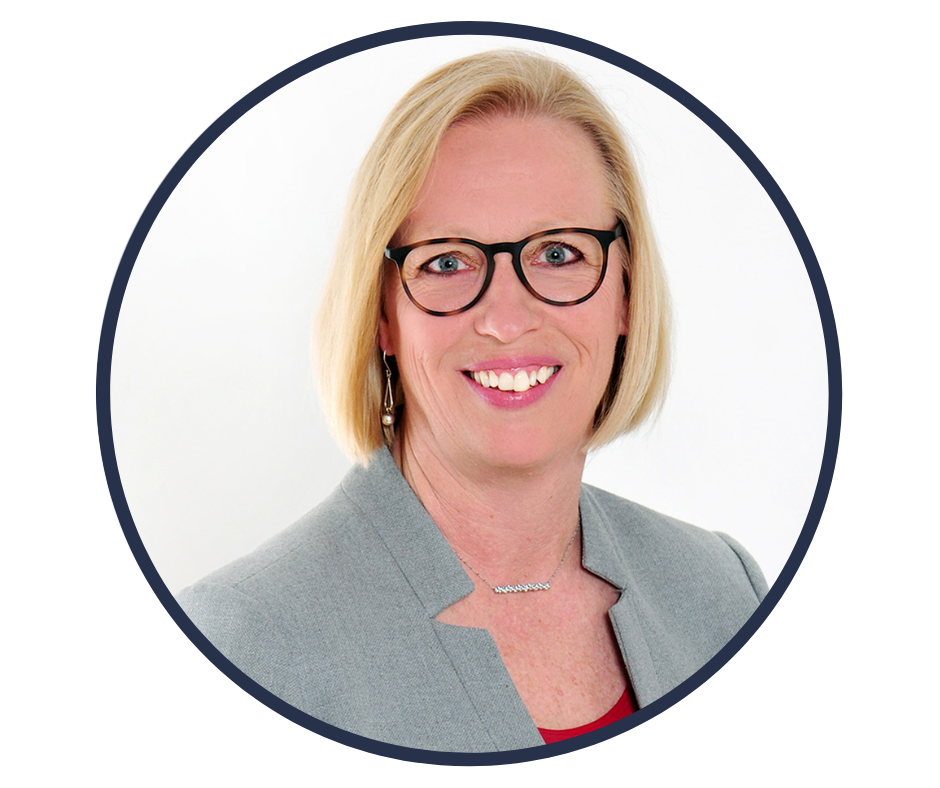
BHSc (PT), CredMDT, CCMA
Carolyn is the co-owner of Reframe Rehab, a teaching company engaged in breaking down the barriers internationally between pelvic health, orthopaedics and pain science. Carolyn has practiced in orthopaedics and pelvic health for the past 37 years. She is a McKenzie Credentialled physiotherapist (1999), certified in acupuncture (2002), and obtained a certificate in Cognitive Behavioural Therapy (CBT) in 2017.
Carolyn received the YWCA Women of Distinction award (2004) and the distinguished Education Award from the OPA (2015). Carolyn was recently awarded the Medal of Distinction from the Canadian Physiotherapy Association in 2021 for her work in pelvic health and pain science.
Carolyn has been heavily involved in post-graduate pelvic health education, research in lumbopelvic pain, speaking at numerous international conferences and writing books and chapters for the past twenty years in pelvic health, orthopaedics and pain science.